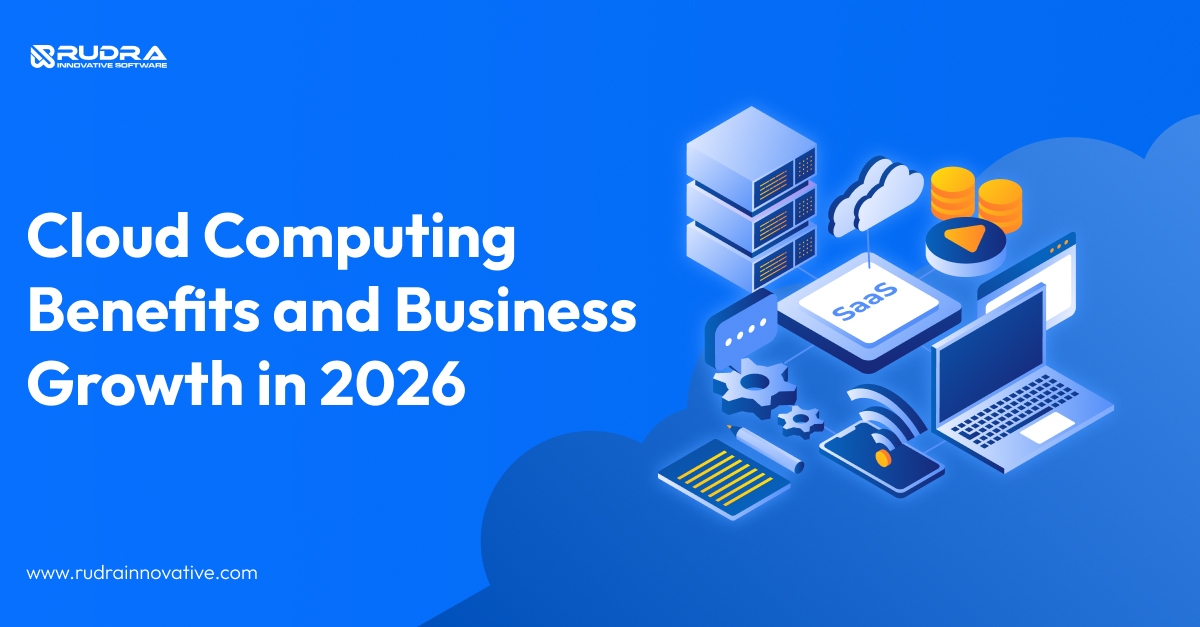
Cloud computing has transformed from a growing technology trend into the backbone of modern business operations. In 2026, organizations of all sizes rely on cloud platforms to store data, run applications, improve collaboration, strengthen cybersecurity, and scale their businesses faster than ever before. From startups and eCommerce brands to healthcare providers and global enterprises, cloud computing continues to reshape the digital economy.
The global cloud computing market is projected to surpass trillions in value by the end of the decade, driven by the increasing adoption of Artificial Intelligence (AI), remote work infrastructure, big data analytics, IoT devices, and digital transformation initiatives. Businesses today no longer view the cloud as an optional technology. Instead, it has become an essential foundation for innovation, agility, and long-term growth.
What is Cloud Computing?
Cloud computing refers to the delivery of computing services such as servers, storage, databases, networking, software, analytics, and intelligence over the internet. Instead of maintaining physical infrastructure or on-premise servers, businesses can access computing resources on demand from cloud providers.
In simple terms, cloud computing allows companies to:
- Store and access data online
- Use software through the internet
- Scale infrastructure instantly
- Improve collaboration across teams
- Reduce IT maintenance costs
Major cloud service providers in 2026 include:
- Amazon Web Services (AWS)
- Microsoft Azure
- Google Cloud Platform (GCP)
- IBM Cloud
- Oracle Cloud
These platforms offer flexible services that help businesses operate faster, more securely, and more efficiently.
Why Cloud Computing Matters in 2026
Businesses are generating more data than ever before. At the same time, customers expect faster services, personalized experiences, and uninterrupted digital access. Traditional IT infrastructure often struggles to keep up with these demands.
Cloud computing solves these challenges by providing:
1. High scalability
2. Faster deployment
3. Better performance
4. Remote accessibility
5. Advanced security systems
6. AI and automation integration
The rise of hybrid work models and AI-powered applications has further accelerated cloud adoption. Companies now depend on cloud infrastructure to support video conferencing, customer relationship management, project management tools, enterprise software, and machine learning applications.
Types of Cloud Computing
1. Public Cloud
Public cloud services are delivered through third-party providers over the internet. Businesses share infrastructure while maintaining secure access to their own data and applications.
Examples include:
- AWS
- Microsoft Azure
- Google Cloud
Public cloud solutions are cost-effective and highly scalable.
2. Private Cloud
A private cloud is dedicated to a single organization. It offers better control, security, and customization for businesses handling sensitive information.
Industries like healthcare, banking, and government commonly use private cloud environments.
3. Hybrid Cloud
Hybrid cloud combines public and private cloud infrastructure. Businesses can store sensitive data privately while using public cloud resources for scalability.
In 2026, hybrid cloud strategies are becoming increasingly popular because they offer flexibility and improved operational efficiency.
4. Multi-Cloud
Many organizations now use multiple cloud providers instead of relying on a single platform. This approach reduces downtime risks and improves performance optimization.
Key Benefits of Cloud Computing for Businesses
Improved Security
Cybersecurity threats continue to rise in 2026, making data protection a top priority for businesses. Modern cloud providers invest heavily in advanced security technologies, including:
- End-to-end encryption
- Multi-factor authentication
- AI-powered threat detection
- Automatic security updates
- Disaster recovery systems
Cloud platforms often provide stronger protection than traditional on-premise systems because they continuously monitor networks for vulnerabilities and suspicious activities.
Businesses also benefit from automated backups, ensuring critical data remains protected during hardware failures or cyberattacks.
Cost Savings
One of the biggest advantages of cloud computing is reduced operational costs. Traditional IT infrastructure requires large investments in hardware, maintenance, cooling systems, and dedicated IT staff.
Cloud computing eliminates many of these expenses by offering pay-as-you-go pricing models.
Businesses only pay for the resources they use, helping them:
- Lower capital expenses
- Reduce maintenance costs
- Avoid unnecessary hardware upgrades
- Optimize resource usage
For startups and small businesses, cloud technology provides enterprise-level capabilities without massive upfront investments.
Better Scalability and Flexibility
Business demands constantly change. Cloud computing allows organizations to scale resources instantly based on traffic, workload, or seasonal demand.
For example:
- eCommerce businesses can handle peak holiday traffic
- Streaming platforms can support millions of users
- Enterprises can expand operations globally
Cloud infrastructure makes it easier to add storage, bandwidth, or c0omputing power within minutes.
This flexibility improves business continuity and prevents performance issues during sudden growth periods.
Enhanced Collaboration and Remote Work
Remote and hybrid work environments are now standard across many industries. Cloud-based collaboration tools allow employees to work from anywhere with internet access.
Teams can:
- Share files in real time
- Conduct virtual meetings
- Access documents remotely
- Collaborate on projects simultaneously
Popular cloud collaboration tools include:
- Google Workspace
- Microsoft 365
- Slack
- Zoom
These solutions improve productivity and communication while reducing delays.
Improved Productivity
Cloud computing reduces the burden of manual IT management. Businesses can automate updates, maintenance, backups, and software deployment.
Employees spend less time troubleshooting technical issues and more time focusing on business growth.
Cloud-based automation also helps organizations:
- Streamline workflows
- Improve customer service
- Accelerate software development
- Increase operational efficiency
Faster Disaster Recovery
Data loss can seriously damage a business. Cloud computing improves disaster recovery by automatically backing up information across multiple locations.
In case of:
- Cyberattacks
- Power outages
- Natural disasters
- Hardware failures
Businesses can quickly restore systems and minimize downtime.
Disaster recovery solutions in 2026 are faster and more intelligent due to AI-driven monitoring and predictive maintenance technologies.
Multi-User Access and Real-Time Synchronization
Cloud environments allow multiple users to access the same files and applications simultaneously.
This enables:
- Real-time editing
- Faster communication
- Better teamwork
- Improved workflow coordination
Whether employees are in different offices or different countries, cloud technology ensures smooth collaboration and synchronized operations.
No Need for Manual File Transfers
Before cloud computing became mainstream, businesses relied heavily on physical storage devices and manual file transfers.
Cloud systems eliminate this problem by enabling instant online access to data across devices.
Employees can access information securely from:
- Smartphones
- Tablets
- Laptops
- Desktop systems
This improves efficiency and reduces delays caused by outdated file-sharing methods.
How Cloud Computing is Influencing the Business World
Cloud computing has become a major driver of digital transformation. Businesses are now more agile, data-driven, and customer-focused because of cloud technologies.
Accelerating Digital Transformation
Organizations are modernizing operations faster using cloud-based tools and platforms.
Cloud computing supports:
- AI integration
- Automation systems
- Advanced analytics
- Smart applications
- Digital customer experiences
Businesses adopting cloud-first strategies often gain a competitive advantage through faster innovation and better operational efficiency.
Supporting Artificial Intelligence and Big Data
AI applications require massive computing power and storage capabilities. Cloud platforms provide the infrastructure needed to process large datasets efficiently.
Businesses now use cloud-based AI for:
- Predictive analytics
- Customer behavior analysis
- Chatbots
- Fraud detection
- Personalized marketing
Big data analytics also helps companies make smarter business decisions based on real-time insights.
Boosting Startup Growth
Cloud computing has lowered entry barriers for startups. Small businesses no longer need expensive infrastructure to launch digital products or online services.
Startups can:
1. Deploy applications quickly
2. Scale globally
3. Reduce development costs
4. Test products faster
5. Improve innovation cycles
This has created more opportunities for entrepreneurs and digital businesses worldwide.
Enabling Global Expansion
Cloud technology allows businesses to operate internationally without setting up physical infrastructure in every location.
Cloud providers offer global data centers that improve:
- Website performance
- Data accessibility
- User experience
- Service availability
Companies can easily expand into new markets while maintaining reliable digital services.
Strengthening Customer Experience
Modern customers expect fast, personalized, and uninterrupted digital experiences.
Cloud computing helps businesses:
- Improve website speed
- Deliver personalized content
- Support 24/7 customer service
- Analyze customer preferences
- Enhance mobile experiences
AI-powered cloud solutions also help businesses predict customer needs and improve engagement.
Cloud Computing Trends in 2026
AI-Powered Cloud Infrastructure
Artificial Intelligence is becoming deeply integrated into cloud platforms. AI-driven cloud systems can now automate operations, detect threats, optimize workloads, and improve efficiency.
Edge Computing Growth
Edge computing processes data closer to users instead of relying entirely on centralized servers.
This reduces:
- Latency
- Bandwidth usage
- Response times
Industries like healthcare, autonomous vehicles, and IoT heavily benefit from edge computing technologies.
Green Cloud Computing
Sustainability is a major focus in 2026. Cloud providers are investing in energy-efficient data centers and renewable energy sources.
Businesses are increasingly choosing environmentally responsible cloud partners to reduce carbon emissions.
Serverless Computing
Serverless architecture allows developers to build and run applications without managing servers manually.
Benefits include:
- Reduced infrastructure management
- Faster development
- Improved scalability
- Cost optimization
Increased Hybrid Cloud Adoption
Many businesses prefer hybrid cloud models because they balance flexibility, security, and performance.
Hybrid cloud environments allow companies to:
- Protect sensitive data
- Improve scalability
- Meet compliance requirements
- Optimize workloads
Challenges of Cloud Computing
Despite its many benefits, cloud computing also presents some challenges.
Data Privacy Concerns
Businesses handling sensitive customer information must ensure compliance with privacy regulations and security standards.
Internet Dependency
Cloud services require stable internet connectivity. Poor network performance can impact accessibility and productivity.
Vendor Lock-In
Switching cloud providers can sometimes be difficult due to compatibility issues and migration costs.
Compliance and Regulations
Industries such as healthcare and finance must follow strict compliance requirements when storing and processing data in the cloud.
Future of Cloud Computing
The future of cloud computing looks highly promising. As AI, machine learning, IoT, blockchain, and automation continue evolving, cloud infrastructure will become even more important for business innovation.
Experts predict that cloud technology will power:
- Smart cities
- Autonomous transportation
- Advanced robotics
- AI-driven healthcare
- Real-time analytics systems
Businesses that invest in cloud transformation today will be better prepared for future technological advancements.
Conclusion
Cloud computing has completely transformed the business landscape in 2026. It offers businesses greater flexibility, scalability, security, and efficiency while reducing operational costs. From startups to global enterprises, organizations are using cloud technologies to improve collaboration, accelerate innovation, and deliver better customer experiences.
As digital transformation continues to evolve, cloud computing will remain a critical driver of business success. Companies that adopt modern cloud solutions can stay competitive, improve productivity, and prepare for the future of technology-driven growth.
Whether it is AI integration, remote collaboration, data security, or global scalability, cloud computing is shaping the future of modern business operations across every industry.
Frequently Asked Questions (FAQs)
1. What is cloud computing?
Cloud computing is a technology that allows businesses and individuals to access servers, storage, software, and other computing services through the internet instead of relying on local systems or physical hardware.
2. Why is cloud computing important for businesses in 2026?
Cloud computing is important because it helps businesses become more flexible, scalable, and cost-efficient. In 2026, companies use cloud platforms to support remote work, improve cybersecurity, manage large amounts of data, and integrate AI-powered solutions.
3. What are the main types of cloud computing?
The main types of cloud computing are public cloud, private cloud, hybrid cloud, and multi-cloud. Each model offers different levels of security, scalability, and control depending on business requirements.
4. Is cloud computing secure?
Yes, cloud computing is considered highly secure when managed properly. Modern cloud providers use advanced security technologies such as encryption, multi-factor authentication, automatic updates, and real-time threat monitoring to protect business data.
5. How does cloud computing reduce business costs?
Cloud computing reduces costs by eliminating the need for expensive hardware, maintenance, and on-site servers. Businesses can pay only for the resources they use, which helps improve budget management and operational efficiency.
6. Which industries benefit the most from cloud computing?
Industries such as healthcare, finance, retail, education, manufacturing, and eCommerce benefit greatly from cloud computing because it improves data management, collaboration, customer experience, and operational performance.
7. What is hybrid cloud computing?
Hybrid cloud computing combines public and private cloud systems. This approach allows businesses to keep sensitive information secure in private environments while using public cloud resources for flexibility and scalability.